
Benign Prostatic Hyperplasia (BPH)
What is BPH?
Benign prostatic hyperplasia (BPH) is a condition in which the prostate enlarges as men get older. BPH is a very common condition that affects over 42 million men in the United States and over 660 million aging men worldwide. More than 40% of men in their 50s and 70% of men in their 60s have BPH. While BPH is a benign condition and unrelated to prostate cancer, it can greatly affect a man’s quality of life.
As the prostate enlarges, it presses on and blocks the urethra, causing bothersome urinary symptoms. If left untreated, BPH can lead to permanent bladder damage.
Symptoms include:
- Frequent need to urinate both day and night
- Weak or slow urinary stream
- A sense that you cannot completely empty your bladder
- Difficulty or delay in starting urination
- Urgent feeling of needing to urinate
- A urinary stream that stops and starts
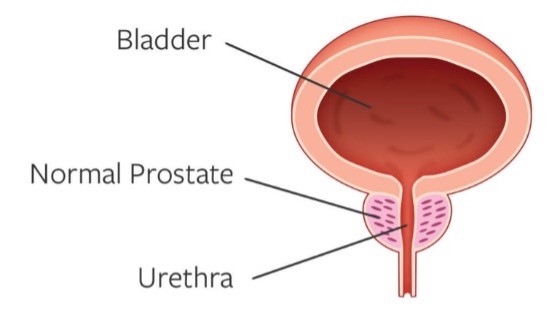
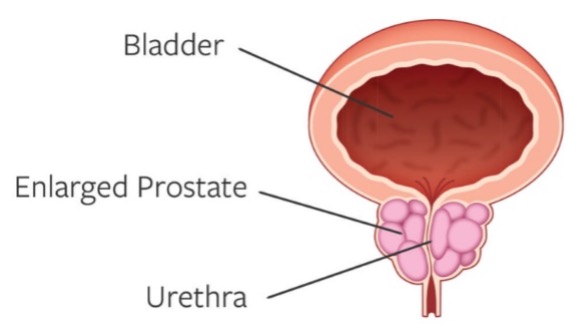
Symptoms of BPH can cause loss of productivity, depression and decreased quality of life.
If you suffer from the above symptoms, you are not alone. BPH is the leading reason men visit a urologist.
You can measure your BPH symptoms by taking the International Prostate Symptom Score (IPSS) questionnaire. Sharing this information with your physician will help them understand the severity of your symptoms.

What is the UroLift® System?
The UroLift System is a minimally invasive procedure to treat an enlarged prostate. It is a proven option for patients looking for an alternative to medications or major surgery.
UroLift relieves symptoms without removing prostate tissue. Small implants lift the enlarged gland away from the urethra. Unlike surgical options, this procedure requires no cutting and is often done in the outpatient setting.
Advantages of the UroLift System
- Safe and effective
- Risk profile better than reported for surgical procedures such as TURP
- Rapid symptom relief, better than reported for medications